“When should the MDF panels be replaced or changes?”
How to Repair MDF Surface – A Step-by-Step Guide Introduction MDF (Medium Density Fiberboard) is a popular material for furniture, cabinets, and wall panels due to its affordability and smooth finish. But over time, the surface can get scratched, chipped,
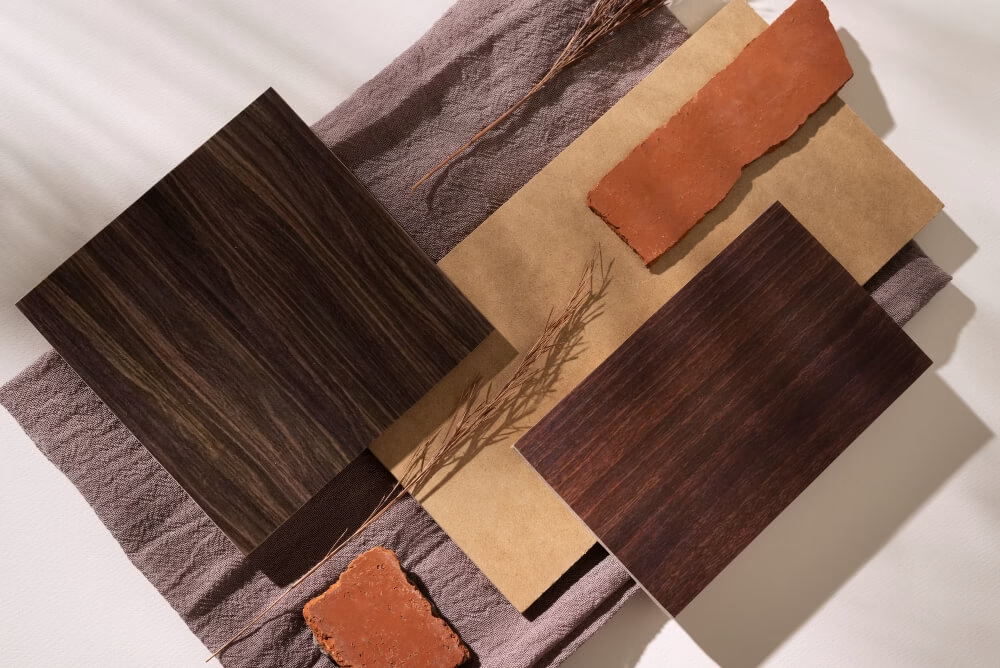
How to Select the Right MDF and Stone Colour for Your Kitchen
“When should the MDF panels be replaced or changes?”
How to Repair MDF Surface – A Step-by-Step Guide Introduction MDF (Medium Density Fiberboard) is a popular material for furniture, cabinets, and wall panels due to its affordability and smooth finish. But over time, the surface can get scratched, chipped,
MDF (Medium Density Fiberboard) is a popular material for furniture, cabinets, and wall panels due to its affordability and smooth finish. But over time, the surface can get scratched, chipped, swollen, or dented—especially in high-use areas like kitchens or offices.
The good news? MDF surface damage is often repairable, especially if you act early. In this article, you’ll learn how to repair different types of MDF damage and make your panels look almost new again.
Common Types of MDF Surface Damage
Before starting the repair, identify the type of issue:
Problem Type
Description
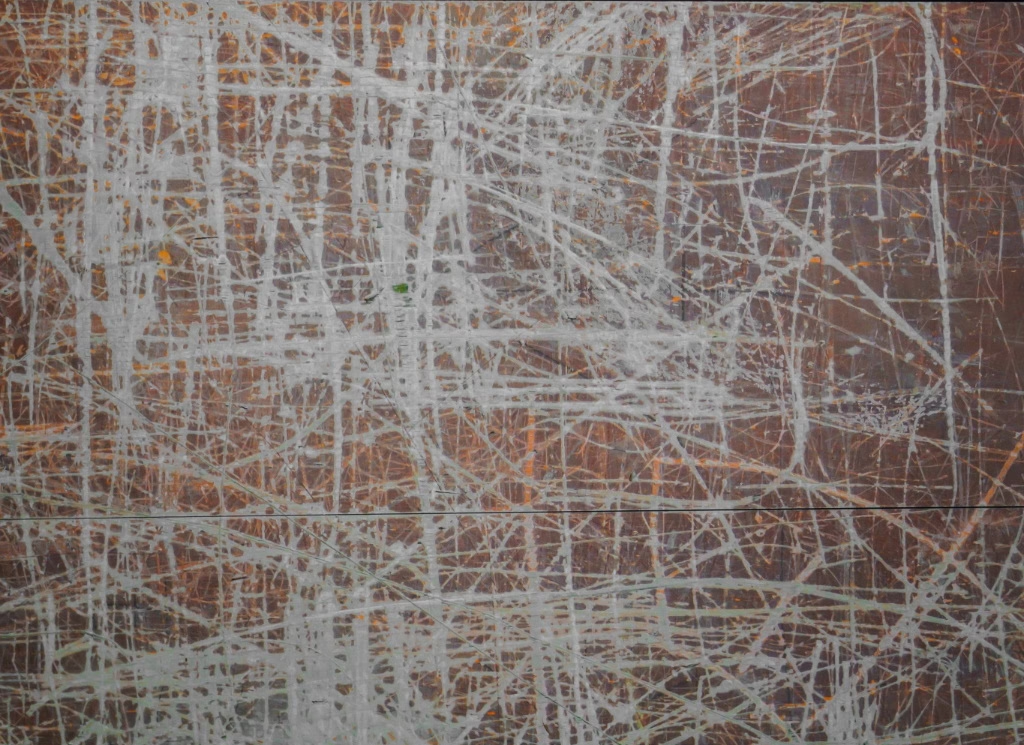
Scratches or dents
Minor surface damage from impact or abrasion
Chips or broken edges
Missing corner pieces or cracked sides
Peeling laminate
Decorative layer detaching from the surface
Water damage/swelling
MDF absorbs moisture and becomes puffy or soft
Screw hole damage
Loose or stripped screws in hinges or handles
Tools & Materials You May Need
Wood filler or putty
Sandpaper (120–320 grit)
Utility knife or chisel
Putty knife or plastic scraper
Primer and paint
Paintbrush or foam roller
Clamps (for delaminated sections)
Contact cement or wood glue (for reattaching laminate)
Step-by-Step: How to Repair MDF Surface
1. Repairing Small Scratches or Dents
Best for: Light wear on painted or raw MDF
Steps:
Clean the surface with a dry cloth.
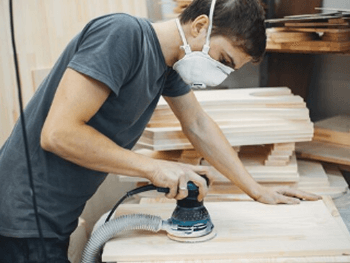
Lightly sand the area with 180–220 grit sandpaper.
Apply wood filler or putty using a putty knife.
Let it dry completely (usually 1–2 hours).
Sand the area until smooth and flush.
Prime and paint the surface to match.
2. Fixing Chipped Edges or Corners
Best for: Small pieces missing from doors or panel edges
Steps:
Clean the chipped area thoroughly.
Fill with high-quality wood filler or epoxy putty.
Shape the corner or edge before it dries (you can use a knife or sanding block).
Let it cure fully, then sand to match the original profile.
Paint or finish to blend with the surrounding area.
3. Reattaching Peeling Laminate or Veneer
Best for: Lifting decorative layers on cabinet doors or furniture
Steps:
Gently lift the loose laminate without tearing it.
Clean both surfaces.
Apply contact cement or wood glue evenly.
Press the laminate back in place and clamp it for at least 1 hour.
Remove excess glue and touch up edges with a fine brush.
4. Repairing Swollen or Water-Damaged MDF
Best for: Light swelling from water exposure
If the panel is severely swollen or crumbling, replacement is better.
Steps:
Dry the area thoroughly (use a hairdryer or let it air out for 24 hours).
Use a utility knife or chisel to remove loose, swollen MDF.
Fill the gouge with wood filler in thin layers.
Let each layer dry and sand in between.
Finish with paint or a new laminate layer.
5. Repairing Loose Screw Holes or Hardware
Best for: Cabinet hinges or handles that keep pulling out
Steps:
Remove the hardware.
Fill the hole with wood filler or break a matchstick/toothpick into the hole and glue it in.
Let it dry fully.
Drill a pilot hole and reinstall the screw.
Finishing Touches
Always prime repaired MDF before painting to seal the surface.
Use paint designed for MDF or furniture, preferably water-based or acrylic.
For best results, apply 2–3 thin coats of paint, sanding lightly between coats.
Pro Tips
Avoid using MDF in high-moisture areas unless it’s moisture-resistant (MR MDF).
Seal all edges and cuts to prevent water absorption in the future.
Use furniture wax or protective topcoat on painted MDF to prolong surface life.
Conclusion
Repairing MDF surfaces is possible—and often easy—with the right tools and a little care. Whether you’re fixing dents, chips, peeling laminate, or even mild water damage, following these steps can restore your MDF furniture or panels and extend their life. It’s a cost-effective way to refresh your home or workspace without full replacement.