How to Select the Right MDF and Stone Colour for Your Kitchen
Designing a kitchen is more than just choosing stylish appliances and elegant lighting—it’s about selecting the right materials that blend functionality, durability, and beauty. One of the key decisions you’ll face is choosing the right MDF (Medium Density Fiberboard) for
How to Select the Right MDF and Stone Colour for Your Kitchen
Designing a kitchen is more than just choosing stylish appliances and elegant lighting—it’s about selecting the right materials that blend functionality, durability, and beauty. One of the key decisions you’ll face is choosing the right MDF (Medium Density Fiberboard) for
Designing a kitchen is more than just choosing stylish appliances and elegant lighting—it’s about selecting the right materials that blend functionality, durability, and beauty. One of the key decisions you’ll face is choosing the right MDF (Medium Density Fiberboard) for your kitchen cabinetry and the perfect stone countertop to match. These choices significantly impact the final look and longevity of your kitchen. Here’s a guide to help you make smart, stylish decisions.
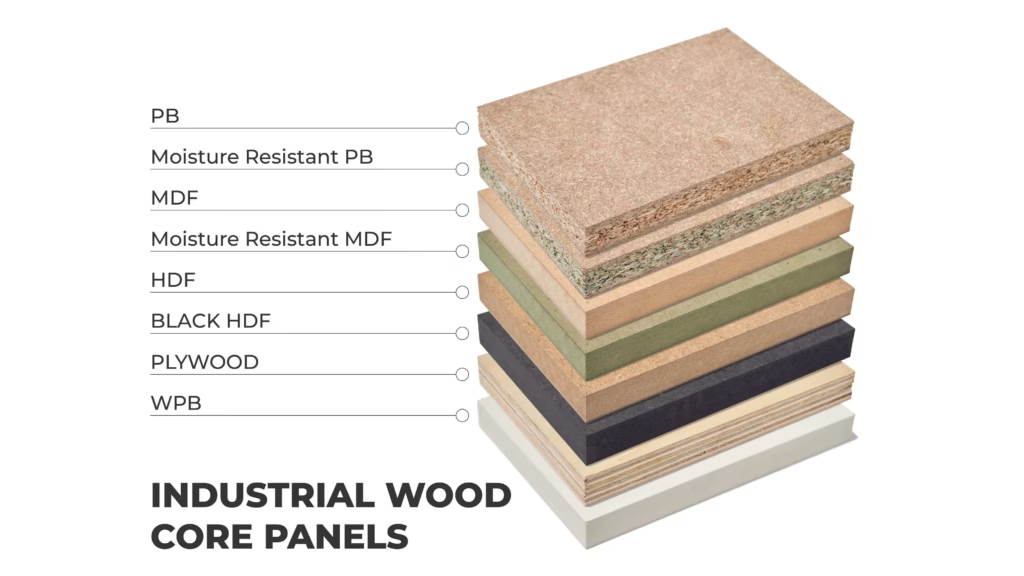
MDF is an engineered wood product made by compressing wood fibers with resin. It’s widely used in kitchens due to several advantages:
Smooth surface: Ideal for painting or applying laminates and veneers.
Affordable: Less expensive than solid wood but still visually appealing.
Customizable: Available in a variety of thicknesses, finishes, and edge designs.
Consistent: No knots or grain patterns, which means fewer defects.
Tip: For kitchens, always choose moisture-resistant MDF (often marked as MR MDF or green MDF), especially for cabinets near the sink or stove.
2. How to Choose the Right MDF Finish and Colour
Your choice of MDF colour and finish sets the tone for your kitchen. Here are a few factors to consider:
A. Kitchen Size and Light
Small kitchens: Go for light-coloured MDF like white, ivory, or pastel grey to make the space feel larger and brighter.
Large kitchens: You can opt for bolder tones like navy, forest green, charcoal, or black without making the room feel cramped.
Lighting: In dimly lit kitchens, glossy or semi-gloss MDF finishes can help reflect light and enhance brightness.
B. Style and Mood
Modern/minimalist: Matte finishes in neutral colours like white, beige, or graphite grey work well.
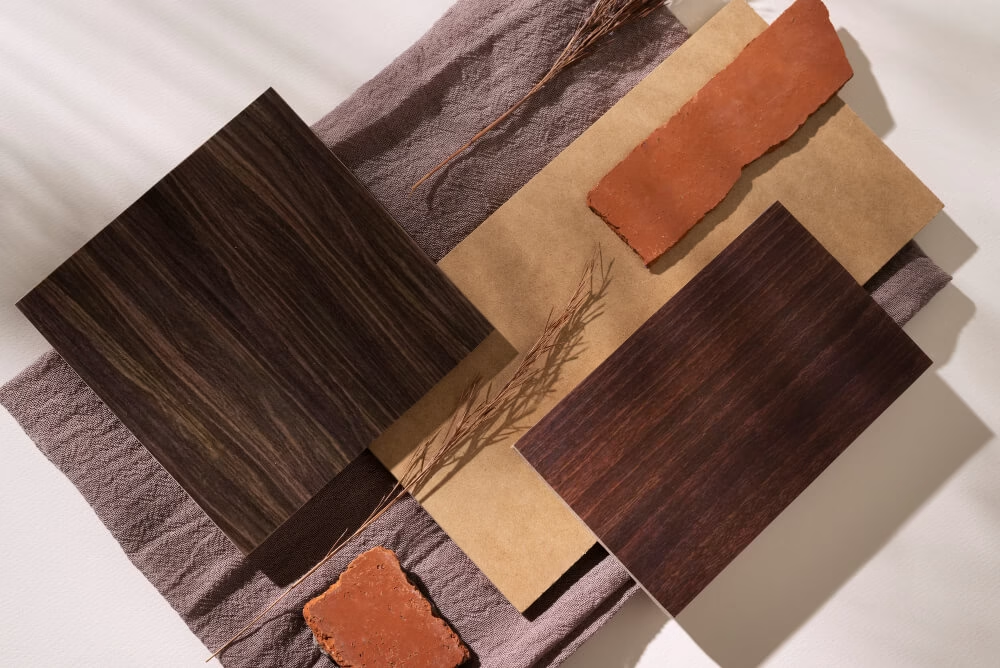
Traditional/classic: Wood-look MDF (laminates or veneers) in walnut, oak, or mahogany tones bring warmth.
Industrial: Darker shades with metallic handles or raw wood finishes pair well with exposed brick or concrete elements.
C. Maintenance and Cleaning
Glossy finishes show fingerprints more easily but are easier to wipe clean.
Matte finishes hide smudges but may be more difficult to clean if heavily soiled.
3. Choosing the Right Stone for Your Countertops
Stone countertops can be made from natural stone (like granite or marble) or engineered stone (like quartz). Here’s how to choose:
A. Durability and Use
Granite: Highly durable, heat-resistant, and comes in a variety of natural colours.
Quartz: Non-porous, low-maintenance, and available in a wide range of uniform colours and patterns.
Marble: Elegant and luxurious but more prone to scratches and staining—better suited for low-traffic kitchens.
B. Colour Coordination
When choosing the stone colour, consider:
Contrast or harmony: Do you want the countertop to stand out (e.g., white cabinets with black stone) or blend in (e.g., beige MDF with cream stone)?
Patterns: If your MDF is solid-coloured, a stone with veining or patterns can add visual interest. If the MDF has a wood grain or texture, a simpler stone may balance the look.
Warm vs cool tones: Make sure the undertones of the stone match the cabinet. For instance, a cool-toned grey stone pairs well with bluish-grey cabinets, while a warm beige stone looks better with cream or brown cabinets.
C. Practical Tips
Bring samples: Always take samples of both MDF and stone and view them under your kitchen lighting.
Think long-term: Will the colours still feel fresh in 5 or 10 years? Neutrals tend to age better.
Consider resale value: If you plan to sell your home, go with classic and widely appealing combinations.
4. Popular Colour Combinations (MDF + Stone)
MDF Colour
Recommended Stone Countertop
Matte White
Black granite or marble, grey quartz
Light Grey
White quartz with subtle veins
Navy Blue
White or marble-pattern quartz
Wood finish (walnut/oak)
Beige, tan, or white granite
Charcoal Black
Light grey quartz or concrete-look surfaces
5. Final Tips
Consistency is key: Choose a colour palette for the whole kitchen and stick to 2–3 dominant tones.
Don’t forget the backsplash: It should complement both the MDF and the stone, not clash with them.
Ask for samples: Many MDF and stone suppliers will give you small samples—use them to compare in your space.
Conclusion
The right combination of MDF and stone can turn your kitchen into a showpiece of the home. Focus on durability, harmony, and personal style. Whether you go bold or neutral, sleek or textured, make sure your choices reflect how you use your kitchen every day. With thoughtful planning, you’ll create a space that’s beautiful, functional, and built to last.
Would you like me to turn this into a downloadable PDF or use it in a website layout (e.g., HTML or WordPress block)?