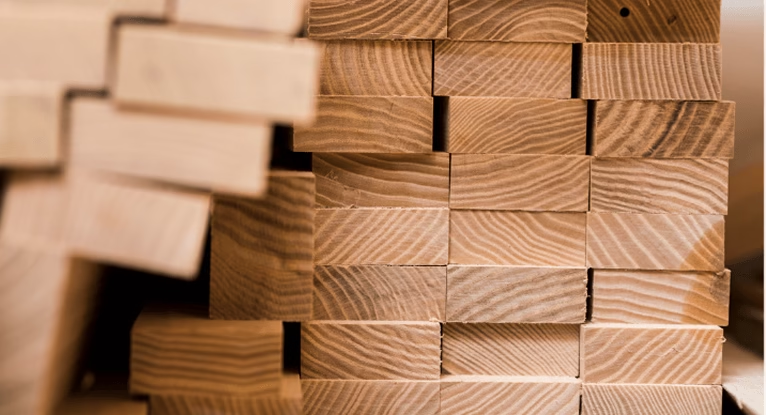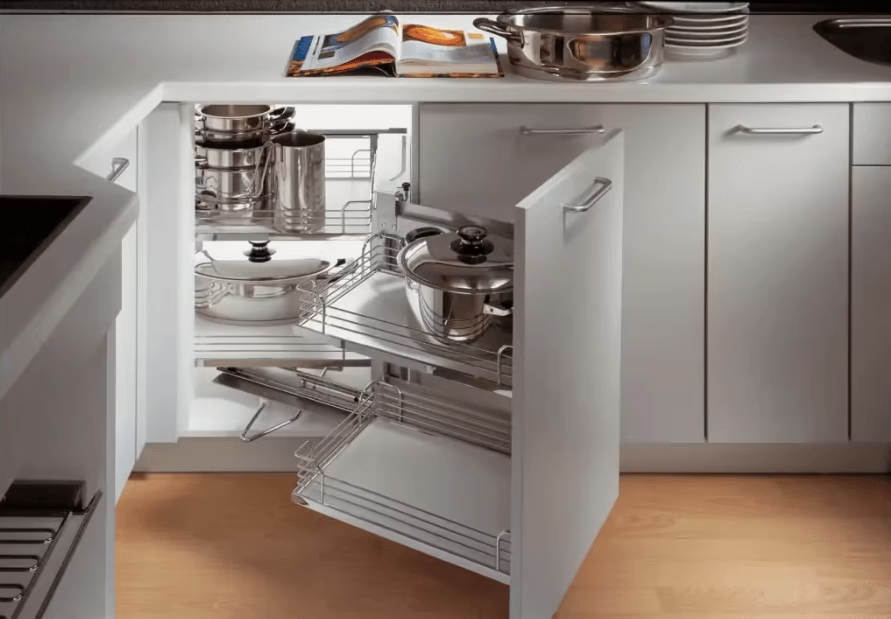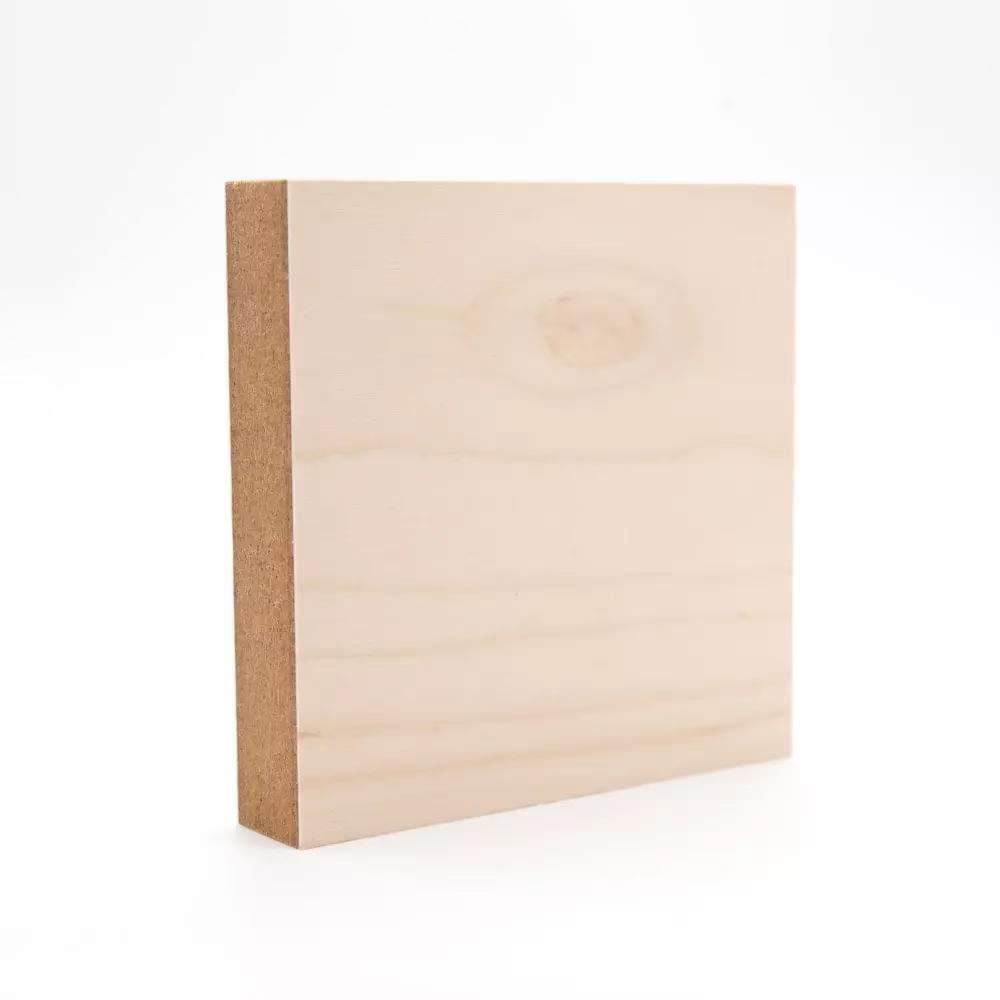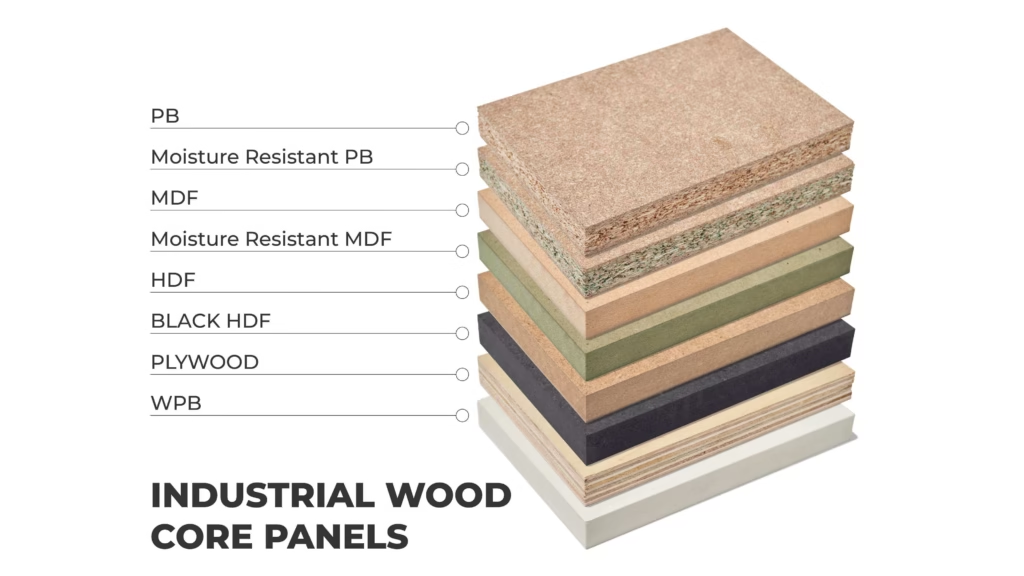
MDF (Medium Density Fiberboard) is an engineered wood product made from wood fibers, resin, and wax, pressed together under high pressure and temperature. It’s known for its smooth finish, versatility, and affordability, making it ideal for furniture, cabinets, wall panels, and doors.
MDF is available in various grades and finishes, each designed for specific applications. Here’s a breakdown of the most common types:
| Term | Definition |
|---|---|
| MDF (Medium Density Fiberboard) | Engineered wood made from compressed wood fibers, resin, and wax. |
| HDF (High-Density Fiberboard) | A denser, harder version of MDF used in flooring and industrial settings. |
| MR MDF | Moisture-resistant MDF designed for humid environments. |
| FR MDF | Fire-retardant MDF treated to resist combustion. |
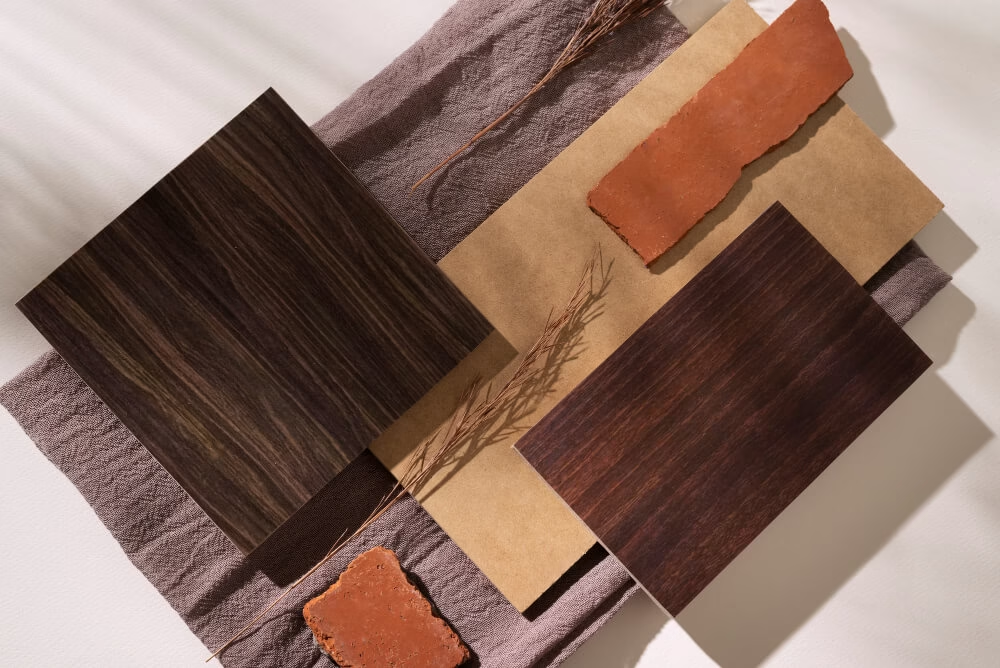
| Melamine | A decorative surface used to laminate MDF panels, often in woodgrain or solid colors. |
| Veneer | Thin slices of natural wood applied to MDF for a real-wood appearance. |
| CNC (Computer Numerical Control) | A method used to cut or carve MDF with precision, often for decorative panels or furniture parts. |
| E1/E0 Emission Rating | Indicates formaldehyde emissions; E0 is the lowest (most eco-friendly). |
| Edge Banding | The process of sealing the edges of MDF to match the surface and prevent moisture. |
| Pre-laminated MDF | MDF that comes factory-coated with melamine or veneer, ready to install. |
| CARB Phase 2 | California Air Resources Board standard for formaldehyde emissions—common in imported MDF. |
| Thermofoil | A type of PVC wrap used on MDF for cabinet doors, offering a seamless look. |
| Need | Best Type |
|---|---|
| Kitchen or Bathroom | Moisture-Resistant MDF |
| Fire Safety Requirement | Fire-Retardant MDF |
| Budget Furniture | Standard MDF or Laminated MDF |
| Decorative Walls / CNC Panels | Ultralight or Standard MDF |
| High-End Look | Veneered MDF |
| Flooring Substrate | High-Density MDF (HDF) |
Understanding the differences between MDF types is crucial for choosing the right material for your project. Whether you’re building a custom kitchen, designing office furniture, or working on interior wall panels, choosing the correct MDF will affect the product’s durability, appearance, and cost.
Always check with your supplier for:
Would you like this article formatted as a PDF, a Bootstrap-based HTML layout, or a WordPress post? I can also include illustrations or tables for easier understanding.