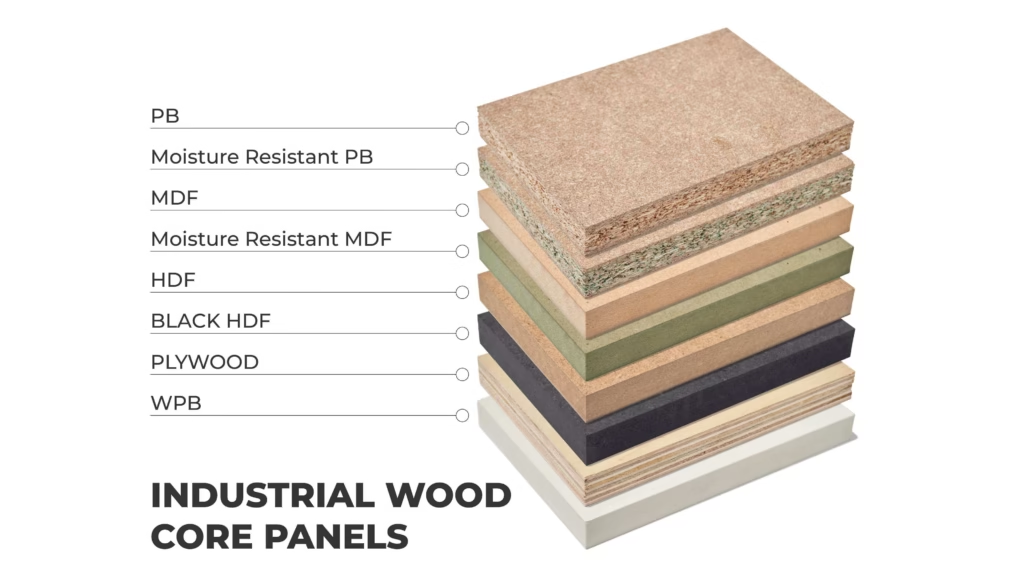
Understanding the Different Types of MDF

What Is MDF? MDF (Medium Density Fiberboard) is an engineered wood product made from wood fibers, resin, and wax, pressed together under high pressure and temperature. It’s known for its smooth finish, versatility, and affordability, making it ideal for furniture,

  1. Home
  2. Board and panel
  3. How make mdf in factory?

Understanding the Different Types of MDF

What Is MDF? MDF (Medium Density Fiberboard) is an engineered wood product made from wood fibers, resin, and wax, pressed together under high pressure and temperature. It’s known for its smooth finish, versatility, and affordability, making it ideal for furniture,

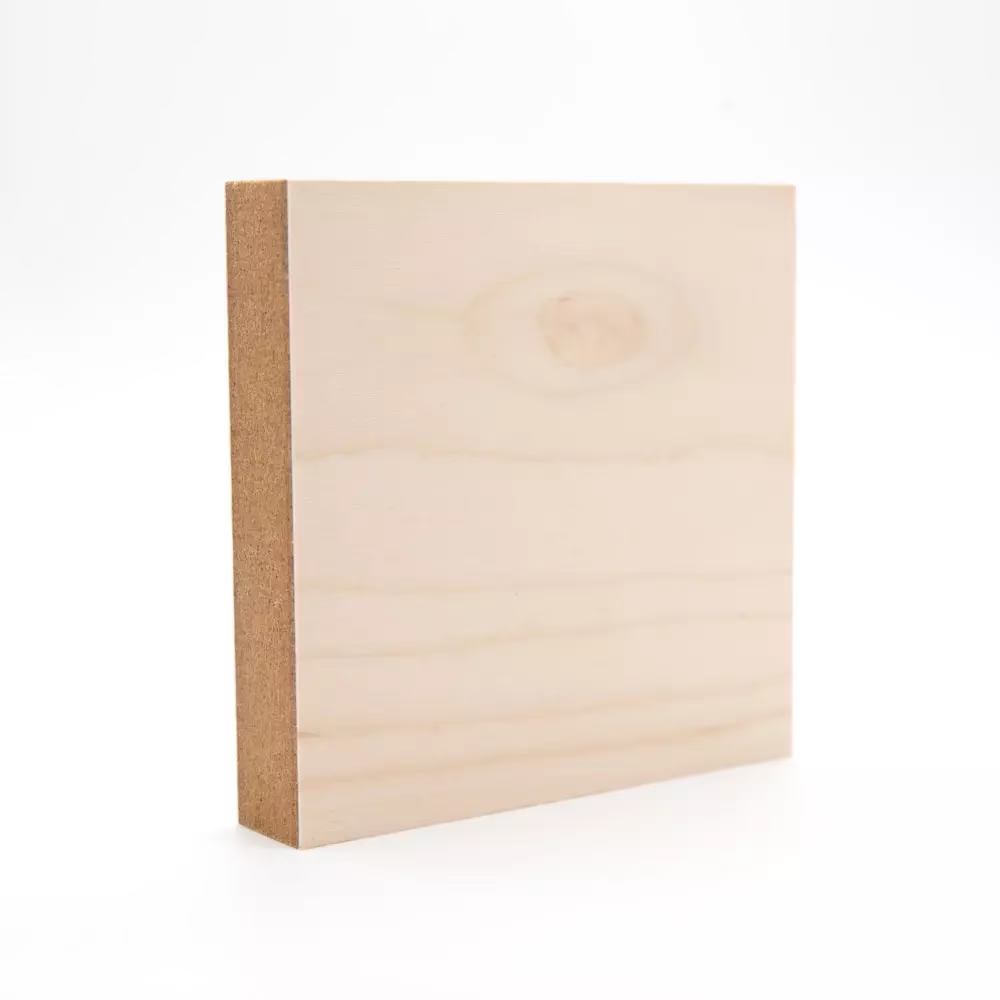
What Is MDF?

MDF (Medium Density Fiberboard) is an engineered wood product made from wood fibers, resin, and wax, pressed together under high pressure and temperature. It’s known for its smooth finish, versatility, and affordability, making it ideal for furniture, cabinets, wall panels, and doors.


Types of MDF and Their Differences

MDF is available in various grades and finishes, each designed for specific applications. Here’s a breakdown of the most common types:

1. Standard MDF (Raw MDF)

  • Description: Basic, untreated MDF with no surface coating.
  • Use: Interior furniture, wardrobes, shelves.
  • Pros: Cost-effective, smooth, easy to paint.
  • Cons: Absorbs moisture, not suitable for wet areas.

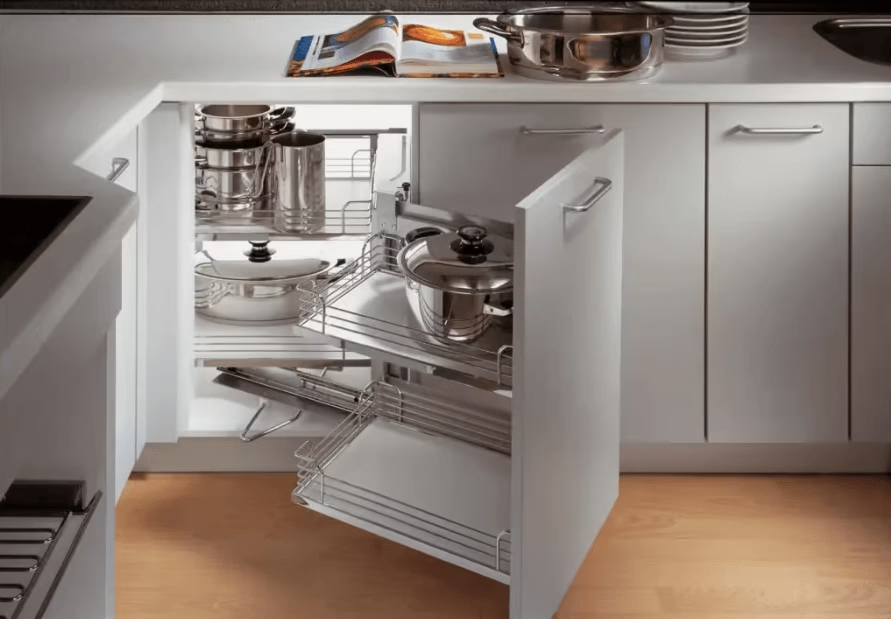
2. Moisture-Resistant MDF (MR MDF or Green MDF)

  • Description: Treated with water-resistant resins; usually green-tinted.
  • Use: Kitchen cabinets, bathroom vanities, laundry rooms.
  • Pros: Resists swelling in humid conditions.
  • Cons: Not waterproof—should still be sealed or laminated.

3. Fire-Retardant MDF (FR MDF)

  • Description: Infused with fire-resistant chemicals; often pink or red in color.
  • Use: Commercial buildings, public spaces, hotels.
  • Pros: Slows down ignition and fire spread.
  • Cons: More expensive; heavier.

4. Laminated MDF

  • Description: MDF covered with melamine paper or plastic laminate.
  • Use: Kitchen doors, office furniture, closet interiors.
  • Pros: Scratch-resistant, wide variety of colors, easy to clean.
  • Cons: Harder to repair if damaged.

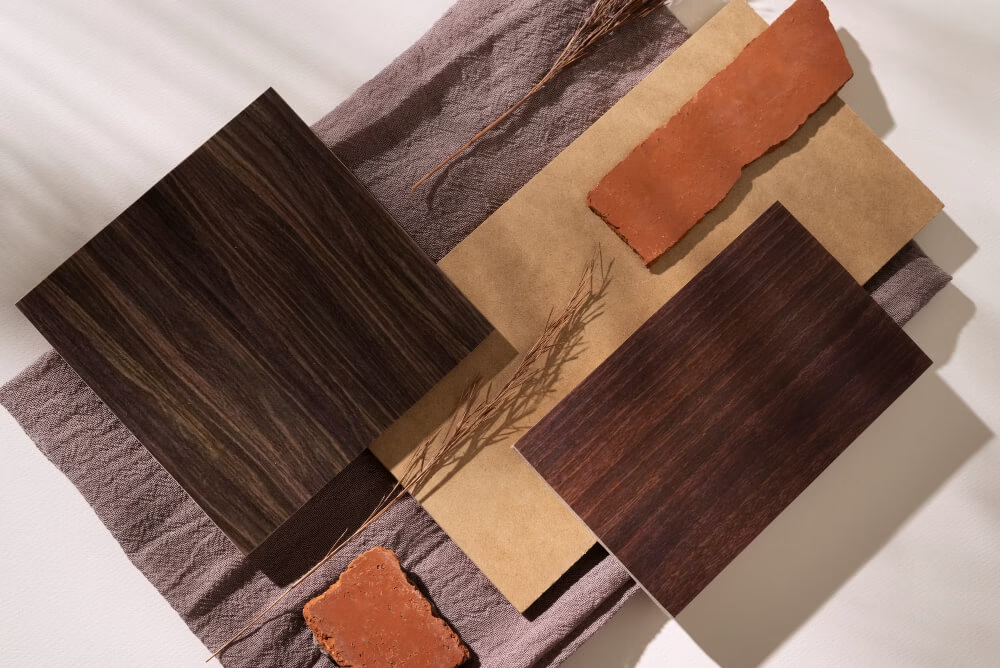
5. Veneered MDF

  • Description: MDF with a thin layer of natural wood veneer.
  • Use: High-end furniture and interiors.
  • Pros: Looks like real wood, ideal for staining.
  • Cons: More expensive than raw MDF.

6. Ultralight MDF

  • Description: Less dense than standard MDF, easier to work with.
  • Use: CNC machining, panels, lightweight furniture.
  • Pros: Easier to cut and handle.
  • Cons: Less durable for heavy loads.

7. High-Density MDF (HDF)

  • Description: Denser and stronger than regular MDF.
  • Use: Flooring substrates, industrial use.
  • Pros: Durable, high-impact resistance.
  • Cons: Heavier and harder to cut.

MDF Industry Glossary: Key Terms You Should Know

TermDefinition
MDF (Medium Density Fiberboard)Engineered wood made from compressed wood fibers, resin, and wax.
HDF (High-Density Fiberboard)A denser, harder version of MDF used in flooring and industrial settings.
MR MDFMoisture-resistant MDF designed for humid environments.
FR MDFFire-retardant MDF treated to resist combustion.
MelamineA decorative surface used to laminate MDF panels, often in woodgrain or solid colors.
VeneerThin slices of natural wood applied to MDF for a real-wood appearance.
CNC (Computer Numerical Control)A method used to cut or carve MDF with precision, often for decorative panels or furniture parts.
E1/E0 Emission RatingIndicates formaldehyde emissions; E0 is the lowest (most eco-friendly).
Edge BandingThe process of sealing the edges of MDF to match the surface and prevent moisture.
Pre-laminated MDFMDF that comes factory-coated with melamine or veneer, ready to install.
CARB Phase 2California Air Resources Board standard for formaldehyde emissions—common in imported MDF.
ThermofoilA type of PVC wrap used on MDF for cabinet doors, offering a seamless look.

Which Type of MDF Is Right for You?

NeedBest Type
Kitchen or BathroomMoisture-Resistant MDF
Fire Safety RequirementFire-Retardant MDF
Budget FurnitureStandard MDF or Laminated MDF
Decorative Walls / CNC PanelsUltralight or Standard MDF
High-End LookVeneered MDF
Flooring SubstrateHigh-Density MDF (HDF)

Final Thoughts

Understanding the differences between MDF types is crucial for choosing the right material for your project. Whether you’re building a custom kitchen, designing office furniture, or working on interior wall panels, choosing the correct MDF will affect the product’s durability, appearance, and cost.

Always check with your supplier for:

  • Technical data sheets
  • Moisture or fire resistance ratings
  • Surface finish compatibility
  • Environmental and emission certifications

Would you like this article formatted as a PDF, a Bootstrap-based HTML layout, or a WordPress post? I can also include illustrations or tables for easier understanding.

Leave a Reply

Your email address will not be published. Required fields are marked *

New articles
“When should the MDF panels be replaced or changes?”
Banner
How make mdf in factory?
What is MDF?
When change MDF?
How to Select the Right MDF and Stone Colour for Your Kitchen
What Is Veneered MDF?
The most popular articles
What Is Veneered MDF?
What is MDF?
“When should the MDF panels be replaced or changes?”
When change MDF?
How to Select the Right MDF and Stone Colour for Your Kitchen
Banner
How make mdf in factory?