What is MDF? A Complete Guide to Medium Density Fiberboard Introduction MDF, short for Medium Density Fiberboard, is one of the most widely used engineered wood products in the world. Known for its smooth finish, uniform texture, and affordable price,
What is MDF? A Complete Guide to Medium Density Fiberboard Introduction MDF, short for Medium Density Fiberboard, is one of the most widely used engineered wood products in the world. Known for its smooth finish, uniform texture, and affordable price,
What is MDF? A Complete Guide to Medium Density Fiberboard
Introduction
MDF, short for Medium Density Fiberboard, is one of the most widely used engineered wood products in the world. Known for its smooth finish, uniform texture, and affordable price, MDF is a popular choice in furniture making, cabinetry, wall panels, and interior decoration.
But what exactly is MDF made of, and why is it so popular? In this article, we’ll explore everything you need to know about MDF, including its composition, types, uses, advantages, and limitations.
What is MDF Made Of?
MDF is an engineered wood panel created by breaking down hardwood or softwood residuals into wood fibers. These fibers are then:
Mixed with resin binders (usually urea-formaldehyde or other adhesives)
Compressed under high temperature and pressure
Cut into sheets of various thicknesses and sizes
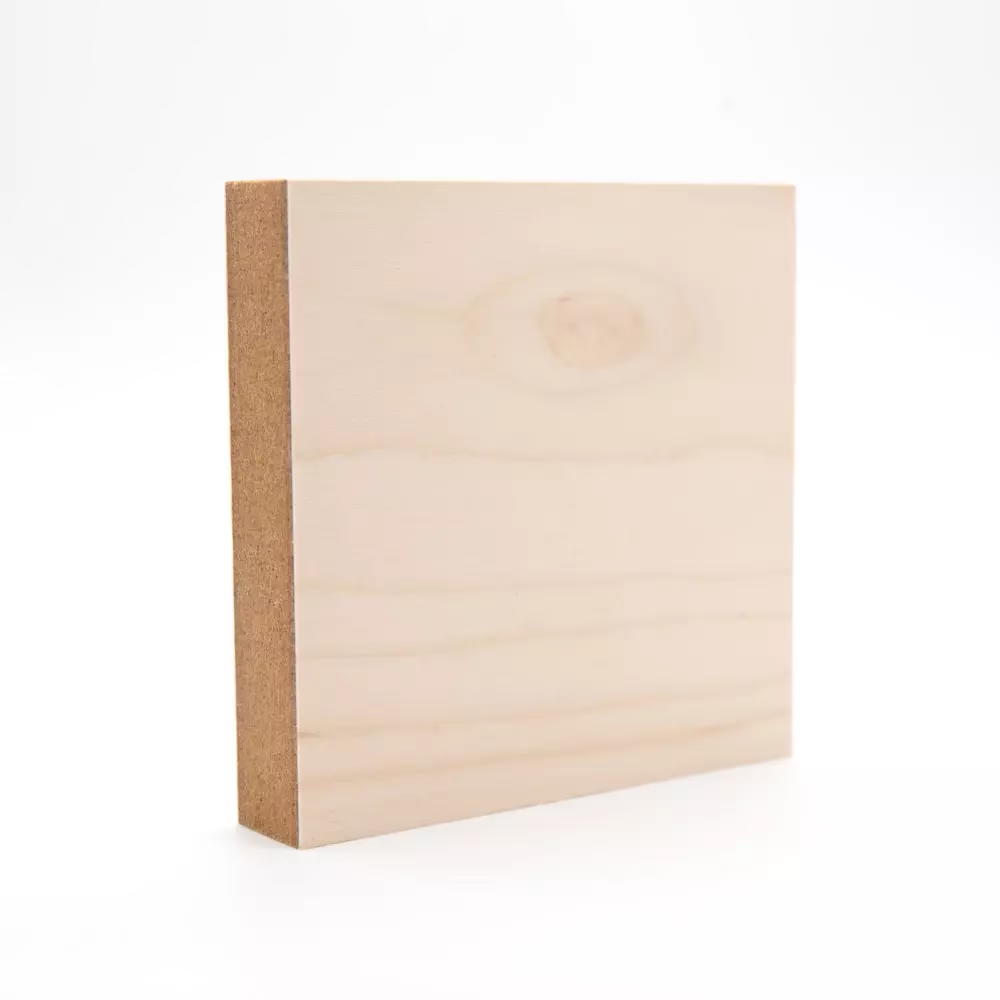
The result is a dense, flat, smooth board that has no visible grain or knots.
Key Features of MDF
Smooth surface – ideal for painting, veneering, or laminating
Consistent density – no voids or weak points like natural wood
Easy to cut and shape – excellent for CNC routing and edge profiling
Affordable – cheaper than plywood or solid wood
Types of MDF
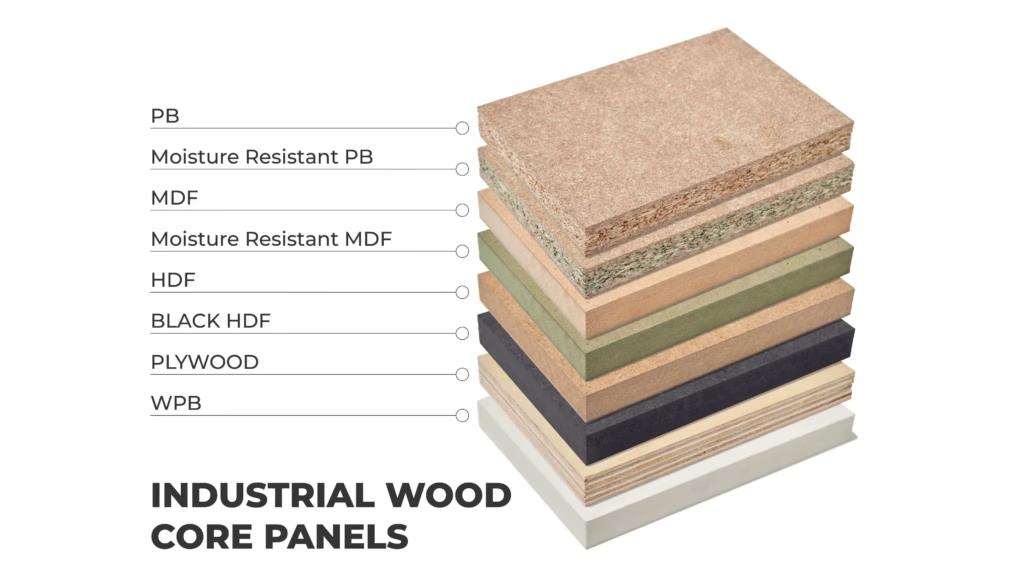
There are several types of MDF, each designed for specific applications:
Type
Description
Standard MDF
General-purpose board for furniture, decoration, etc.
Moisture-Resistant (MR)
Green-core MDF used in kitchens, bathrooms, humid areas
Fire-Retardant MDF
Red-core MDF with fire-resisting properties for safe zones
Veneered MDF
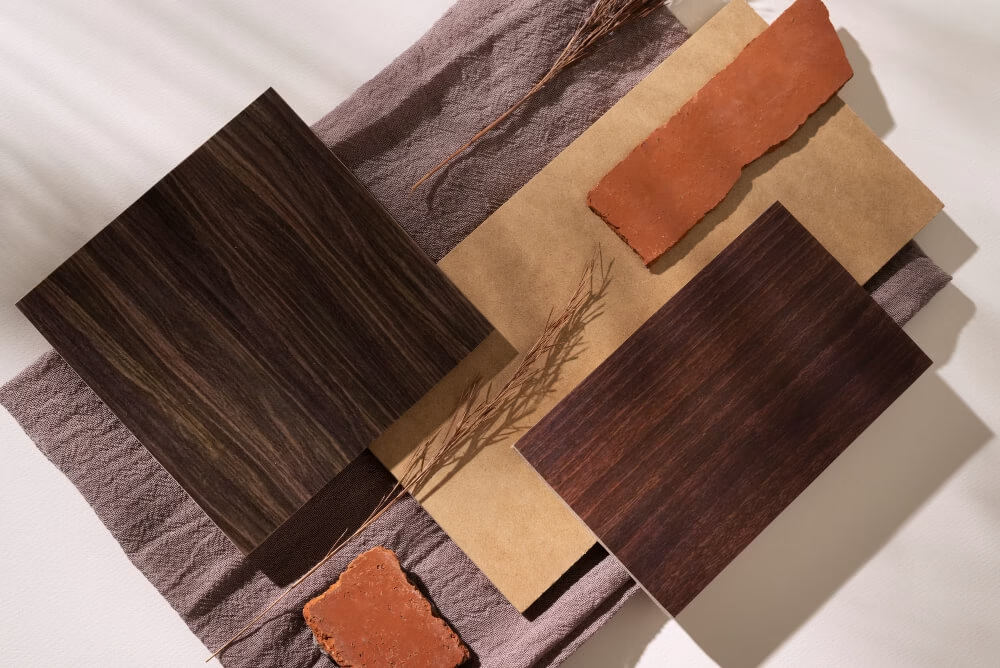
MDF covered with real wood veneer for a natural wood look
Laminated MDF
MDF covered with melamine or PVC film for durability
UV Coated MDF
MDF with high-gloss or matte UV finishes for modern interiors
Common Uses of MDF
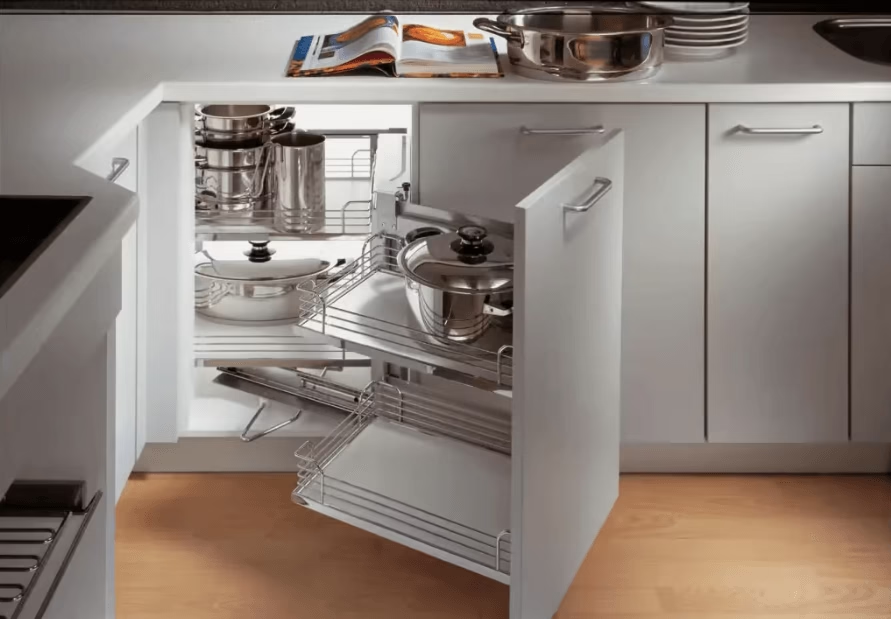
Kitchen cabinets and shelves
Wardrobe doors and furniture
Wall panels and ceiling designs
Decorative CNC panels and cutouts
Office furniture and partitions
Interior doors and moldings
Advantages of MDF
Smooth and uniform surface
Easy to paint or cover
Economical for large projects
Can be cut and drilled without splinters
Environmentally friendly options now available (low formaldehyde or E0-rated)
Limitations of MDF
Sensitive to moisture if not MR-grade
Not as strong as plywood for heavy loads
Can produce dust when cutting (use proper protection)
Edges require sealing before painting
Tips for Working with MDF
Use carbide-tipped tools for cutting to avoid dulling
Always seal the edges before painting
Use screws with pilot holes to avoid splitting
For wet areas, choose moisture-resistant MDF
Wear a dust mask when cutting or sanding
MDF vs. Other Materials
Feature
MDF
Plywood
Particleboard
Surface
Very smooth
Has wood grain
Rougher texture
Strength
Medium
High
Low
Price
Affordable
Higher
Cheapest
Finishing
Excellent for paint/veneer
Good for veneer
Limited
Moisture Resistance
Poor (unless MR)
Good (marine-grade)
Poor
Conclusion
MDF is a reliable, cost-effective, and versatile material that has become a staple in modern furniture and interior design. While it may not be as moisture- or load-resistant as plywood, its smooth finish and ease of use make it a top choice for countless applications.
Whether you’re building a wardrobe, designing a kitchen, or decorating a commercial space, understanding what MDF is and how to use it properly can help you make smart, durable, and beautiful design choices.