What Is Veneered MDF? – A Complete Guide for Designers & Builders Introduction Veneered MDF (Medium Density Fiberboard) is a premium engineered wood product that combines the stability and affordability of MDF with the natural beauty of real wood veneer.
What Is Veneered MDF? – A Complete Guide for Designers & Builders Introduction Veneered MDF (Medium Density Fiberboard) is a premium engineered wood product that combines the stability and affordability of MDF with the natural beauty of real wood veneer.
What Is Veneered MDF? – A Complete Guide for Designers & Builders
Introduction
Veneered MDF (Medium Density Fiberboard) is a premium engineered wood product that combines the stability and affordability of MDF with the natural beauty of real wood veneer. It is widely used in furniture making, kitchen cabinets, wall panels, and office interiors where an authentic wood appearance is desired—without the cost and limitations of solid wood.
What Is Veneered MDF?
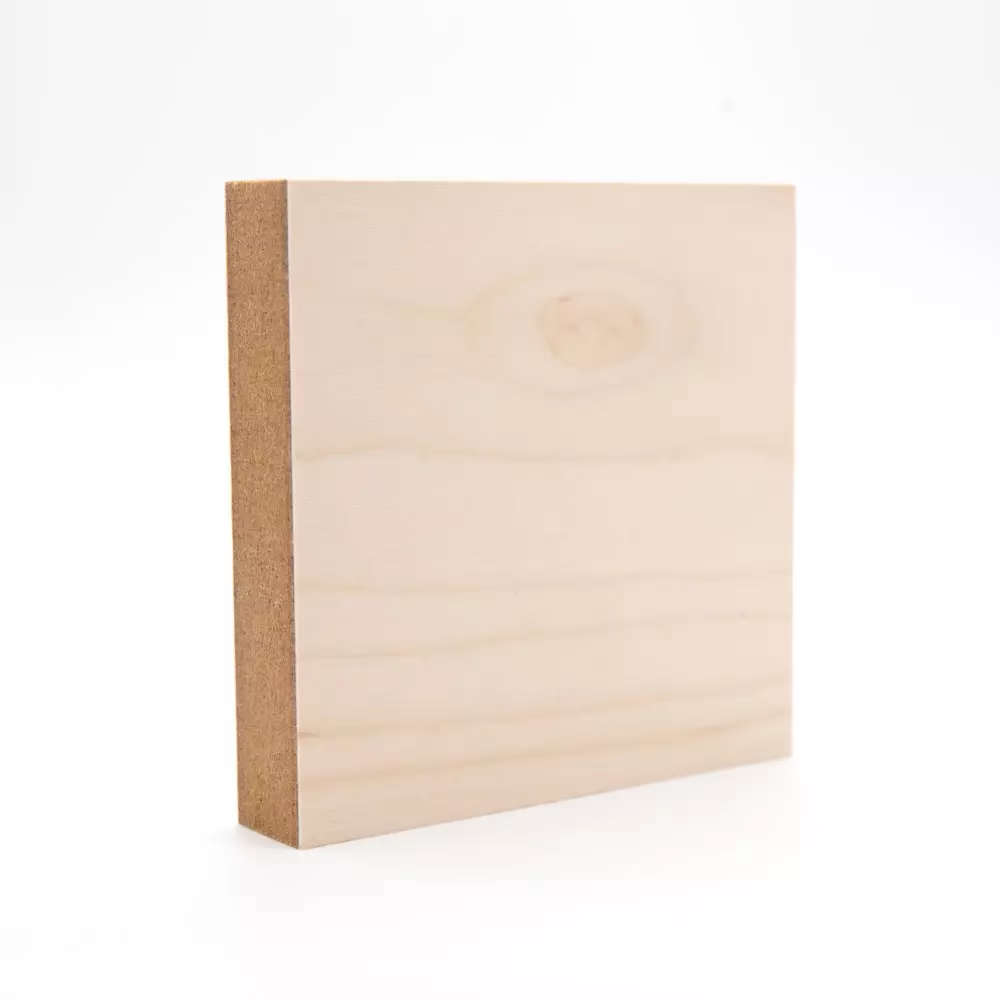
Veneered MDF consists of a core of MDF covered with a thin sheet of natural wood veneer (usually between 0.3–1.0 mm thick). This veneer can come from a variety of wood species such as:
Oak
Walnut
Teak
Ash
Maple
Cherry
The result is a panel that looks and feels like real wood, but has a more stable, warp-resistant core.
How Is Veneered MDF Made?
Core preparation: High-quality MDF is selected as the base panel.
Veneer slicing: Real wood is sliced into thin sheets—either plain sliced, quarter sliced, or rotary cut, depending on the desired grain pattern.
Adhesion: The veneer is glued onto the MDF using heat and pressure.
Finishing: The panel can be sanded and coated with lacquer, oil, or UV finish, or left raw for custom finishing.
Some suppliers also offer two-sided veneered MDF for better balance and aesthetics.
Advantages of Veneered MDF
Benefit
Description
Natural Wood Look
Offers the visual appeal and warmth of solid wood.
Cost-Effective
Cheaper than solid wood while maintaining a premium appearance.
Stable and Smooth
Less prone to warping, cracking, or knot defects compared to natural wood.
Customizable Finishes
Can be stained, lacquered, or oiled like solid wood.
Sustainable
Uses thin slices of wood, making better use of forest resources.
Common Applications of Veneered MDF
Veneered MDF is a popular material in residential and commercial design:
Kitchen cabinet doors and panels
Wardrobes and closet systems
Office furniture and desks
Wall cladding and decorative panels
Hotel lobbies and reception areas
Shelves, bookshelves, and display units
Finishing and Maintenance Tips
Veneered MDF can be sanded and finished using wood oils, varnishes, or UV coatings to protect and enhance the grain.
Edge banding is essential to protect exposed MDF edges—can be done with matching veneer tape.
Clean surfaces with a soft, damp cloth—avoid abrasive cleaners or excessive water.
Protect from direct sunlight to prevent fading of natural wood tones.
Veneered MDF vs Solid Wood vs Laminated MDF
Feature
Veneered MDF
Solid Wood
Laminated MDF
Appearance
Real wood look
100% natural wood
Printed or plastic texture
Cost
Moderate
High
Low
Stability
High
Can warp/crack
Very high
Customizability
High
Very high
Limited to factory finish
Environmental Impact
Low to moderate
High
Moderate
Things to Consider Before Buying
Veneer Thickness: Thicker veneers (0.6mm+) allow for more sanding and refinishing.
Backing veneer: Two-sided veneered panels are more stable and better for doors or partitions.
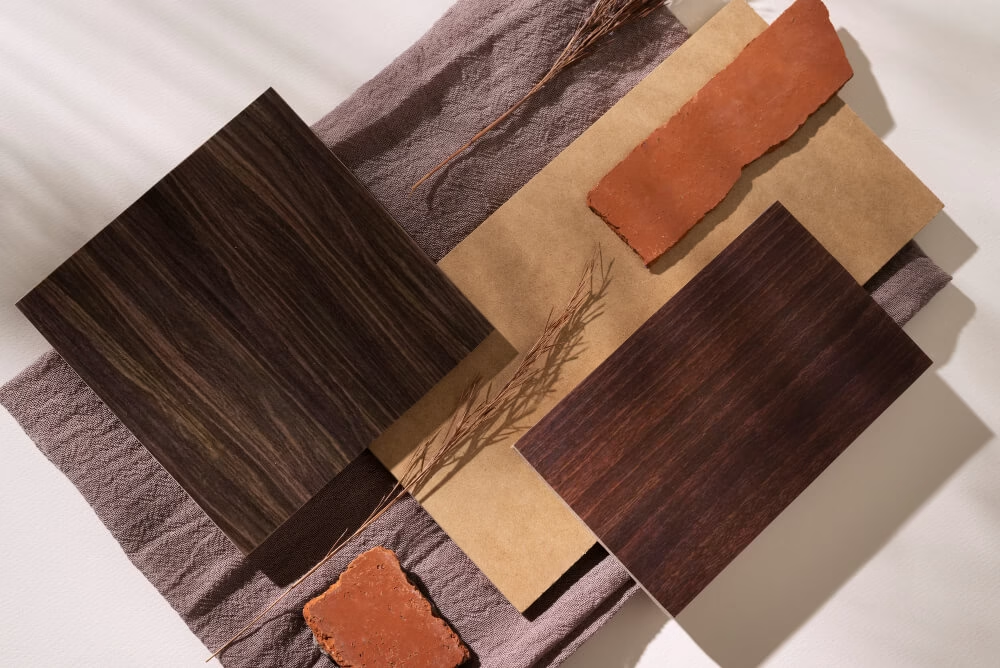
Wood species: Choose based on interior style—e.g., oak for rustic, walnut for luxury, maple for modern.
Finish: If unfinished, ensure proper sealing to avoid stains or moisture damage.
Final Thoughts
Veneered MDF offers the best of both worlds: the aesthetic richness of real wood and the performance of engineered materials. Whether you’re building custom kitchen cabinets, high-end office furniture, or stylish home décor, veneered MDF provides a durable, elegant, and cost-effective solution.


One Response
#6F3C1B